If you love classic front porches, leafy streets, and quick access to downtown Athens, the Boulevard Historic District will be on your short list. You might be comparing it with Cobbham, Five Points, or Normaltown and wondering how homes differ, what lifestyle to expect, and how far your budget goes. This guide gives you a clear picture of Boulevard’s architecture, day‑to‑day feel, market ranges, and what to know about renovating in a protected historic district. Let’s dive in.
Boulevard at a glance
Boulevard is a locally designated historic district in Athens‑Clarke County and is listed among Clarke County entries on the National Register of Historic Places. Its origins as a late‑19th and early‑20th‑century streetcar suburb shaped the neighborhood’s blocks and home styles. You’ll find everything from small, vernacular cottages to mansion‑scale homes.
For exact boundaries or parcel checks, use the county’s official Historic District Maps. You can also reference the Clarke County page for National Register listings to understand the district’s recognized historic status.
Where it sits and why it works
Boulevard lies just north of Prince Avenue, a short hop from Downtown Athens and the University of Georgia. That location gives you easy access to restaurants, galleries, and music venues while many blocks retain a quieter residential feel. Local guides highlight its canopy of mature trees, walkable streets, and the neighborhood’s consistent curb appeal.
Nearby green spaces add to the draw. Boulevard Woods Park offers a small, neighborhood‑scale escape, and Bishop Park provides larger facilities and fields. The area also benefits from arts and food anchors around the Chase Park and Pulaski corridor, including the nonprofit gallery ATHICA and well‑known cafés and eateries. Businesses change over time, so check hours and current programming at ATHICA before you go.
Architecture and home styles
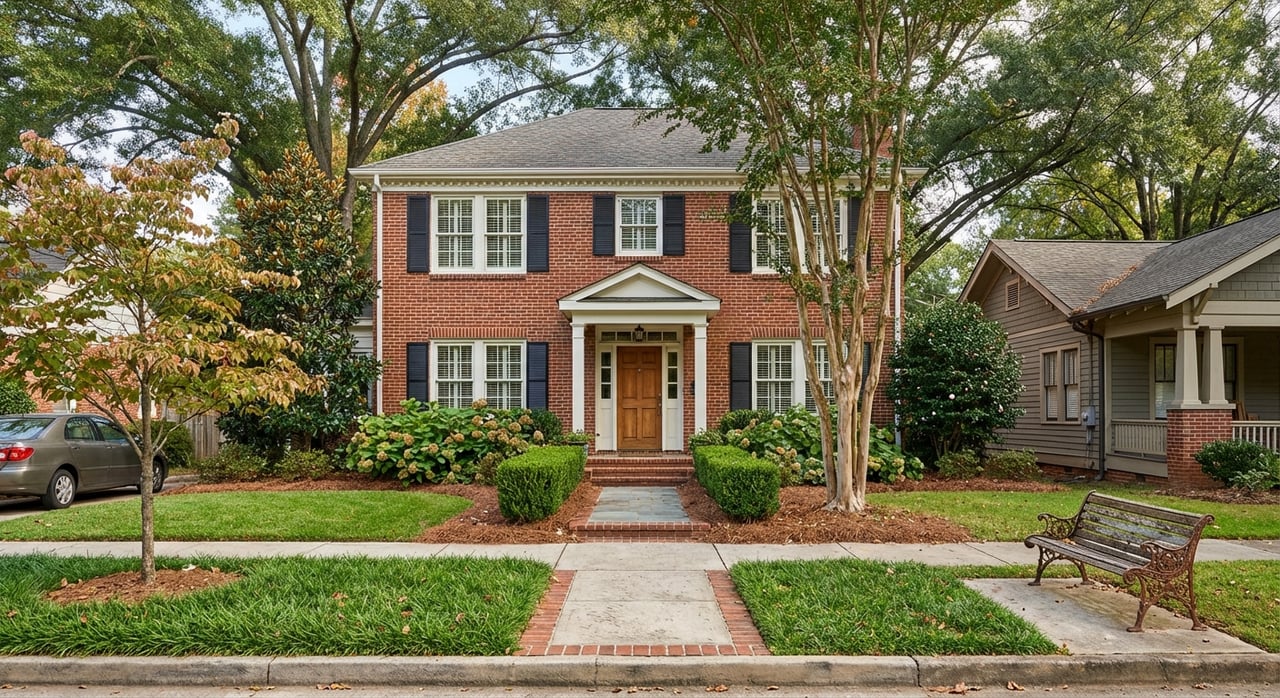
Boulevard’s homes reflect its streetcar‑suburb past and early growth periods. Expect a mix of:
- Late Victorian details on larger 19th‑century houses
- Greek Revival and Neoclassical influences
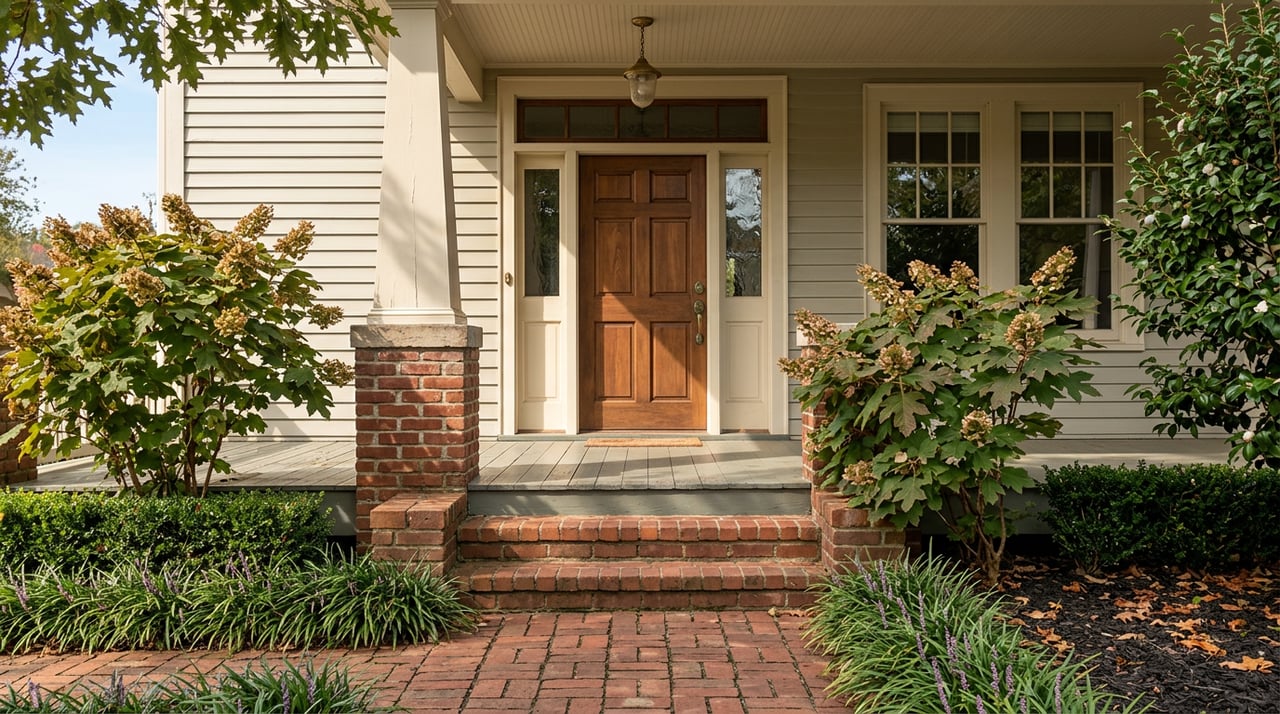
- Bungalow and Craftsman homes from the early 20th century
- Vernacular cottages on side streets
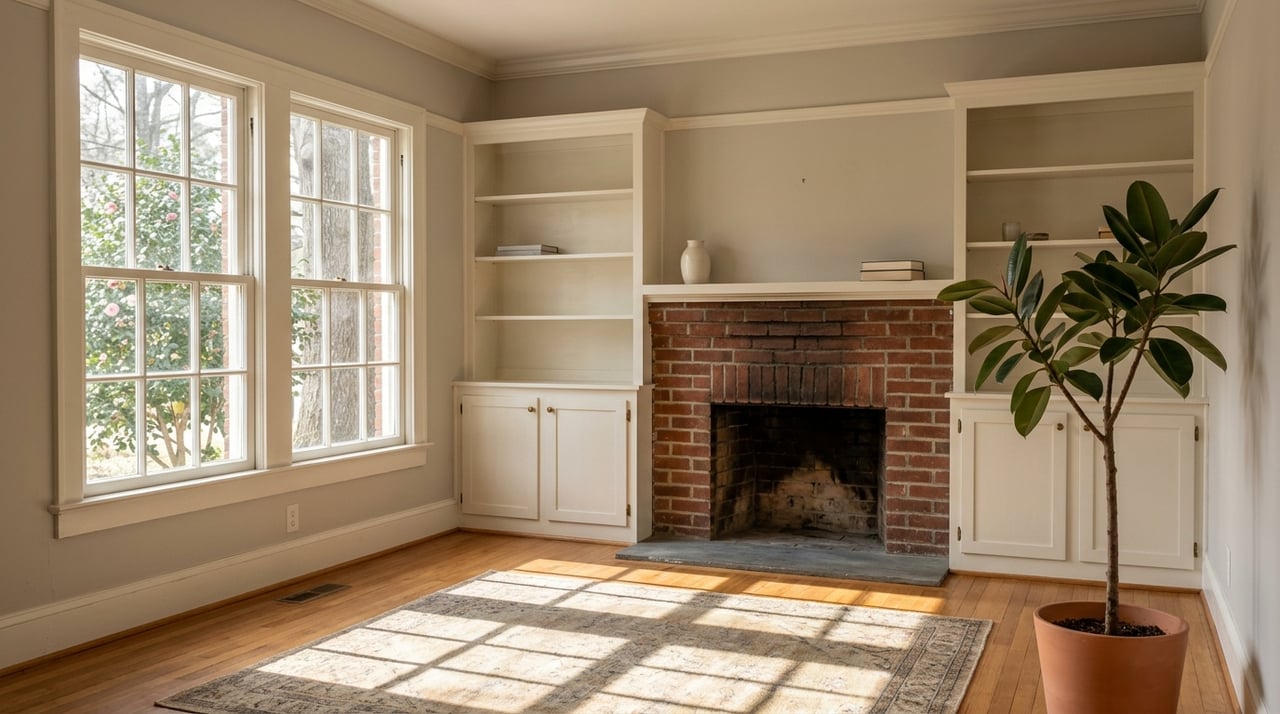
Houses are typically one to two stories. Many have tall windows, deep covered porches, original wood floors, and plaster walls. Over time, owners added enclosed porches, new kitchens, and mechanical upgrades, so interior condition varies widely. You may tour homes that are largely original, selectively updated, or fully renovated.
The streetscape is part of the appeal. Boulevard, the street, is known for its broad, tree‑shaded canopy and cohesive look. Side streets often feature smaller cottages and more modest lots, which can be attractive if you want renovation potential or a lower entry price.
Lifestyle highlights
You live close to downtown restaurants, local galleries, and year‑round music. That mix makes daily life simple. Grab a coffee on Prince, head to an opening at ATHICA, or take a quick drive to shows downtown. Local guides often call out neighborhood staples like White Tiger Gourmet and Pulaski Heights Barbecue as part of the area’s food culture. As with any small businesses, hours and menus change, so confirm before you go.
Parks and trees make it easy to slow down. Boulevard Woods Park offers a natural pocket in the neighborhood, while Bishop Park nearby delivers courts, fields, and a community feel. If walkability, shade, and historic character are on your list, Boulevard checks many boxes.
Market snapshot and comparisons
Consumer neighborhood pages describe Boulevard as one of Athens’ sought‑after in‑town districts. You’ll commonly see planning ranges from the mid‑$400Ks to $1M+ depending on street, lot, and renovation level. Homes located directly on Boulevard often command a premium, while side‑street cottages and fixer projects may list lower.
How it stacks up nearby:
- Five Points typically shows among the highest in‑town medians. Recent public snapshots have cited median listing prices around the upper end of Athens neighborhoods, with some reports near ~$848K in one window.
- Cobbham is a traditionally prestigious district with higher‑end historic homes. Medians have shown in the mid‑$400Ks in recent reports, with a wide spread that includes seven‑figure listings.
- Normaltown is highly desirable and walkable, with frequent renovation activity. Reported medians vary by the month and source, with recent snapshots ranging roughly from the mid‑$400Ks to the low‑$600Ks.
Citywide, consumer pages place Athens medians in the low‑to‑mid $300Ks to $400Ks in recent summaries. Boulevard and Cobbham often sit above the city median, and inventory can be modest. For well‑priced historic homes, days on market can stretch, but standout listings still draw strong interest.
Always check current comparable sales in the local MLS at the time you buy or sell. Public neighborhood medians shift by data source and reporting window.
Renovation and preservation: what to know
Buying in Boulevard means understanding local preservation rules for exterior work. Here is the core framework so you can plan with confidence.
COA basics
If your property is inside the local Boulevard historic district, most exterior changes require a Certificate of Appropriateness, or COA. That includes building material changes, additions, new construction, and many site features like driveways, fences, and retaining walls. Interior work usually does not require a COA unless it affects what is visible from the street.
Start with the county’s Applications and Forms page to see COA materials, the tax assessment freeze application, and staff contacts. For design expectations, the county’s Design Guidelines outline how staff and the Historic Preservation Commission (HPC) evaluate materials, massing, porches, rooflines, and other character‑defining features.
Timing and process
Small projects can be approved by staff. Larger projects go to the HPC at a public meeting. The county posts an HPC meeting and deadline calendar that shows submission windows and review cycles. Depending on scope, plan for at least 4 to 8 weeks for concept review, COA approval, and permitting. More complex additions can take longer.
Local coverage notes that the HPC process is collaborative and that many well‑documented, compatible proposals are approved. Early conversations with preservation staff help you avoid surprises and keep your project on track.
Incentives that help
If your property is listed on the state or National Register and your rehabilitation meets program criteria, Athens‑Clarke County participates in a tax assessment freeze program. That can defer the increase in assessed value after qualified improvements for a set period. Review eligibility and timing on the Applications and Forms page before you begin work.
Old‑home systems: plan your budget
Houses from the late‑19th and early‑20th centuries can bring character and also hidden issues. Common findings include older wiring like knob‑and‑tube, outdated electrical panels, galvanized plumbing, aging HVAC, roofing and flashing concerns, plaster and lath repairs, and foundation or drainage items.
- Rewiring an older home is often a significant line item. Consumer guidance shows that full rewiring can run from roughly $12,000 to several tens of thousands of dollars depending on size and access. Get local quotes in Athens for accuracy.
- For pre‑1978 homes, follow federal guidance on lead‑safe practices and testing. Plan for certified contractors and proper containment if work disturbs painted surfaces.
A smart rule of thumb is to build a contingency, often 20 percent or more on top of contractor estimates, especially if you anticipate opening walls for electrical or plumbing.
A buyer’s due‑diligence checklist
Before you write an offer in Boulevard, use this list to stay ahead:
Map and status
- Pull the property record and confirm whether the lot is within the Boulevard local historic district using the county’s Historic District Maps.
- Ask planning staff about any past COA approvals tied to the address.
Inspections and testing
- Order a full home inspection with a focus on electrical, plumbing, roof, structure, and drainage.
- If the home predates 1978, plan for lead‑based paint risk assessment and test for asbestos where suspected.
- If knob‑and‑tube wiring is present or suspected, get an electrician’s quote during due diligence.
Permits and approvals
- Request the seller’s COA history and building permits for exterior work.
- If you plan exterior changes, contact Historic Preservation staff early to confirm whether staff review or an HPC hearing is required.
- Review the HPC deadline calendar and read the Design Guidelines so your proposal aligns with expectations.
Budget, financing, and insurance
- Include a line for restoring historic features like porches and windows if needed.
- Factor in permit fees, potential timing for COA review, and material choices that may be required.
- Talk with your lender and insurer about underwriting for older homes. Some carriers will require updates to high‑risk systems before binding coverage.
- If you plan a qualifying rehabilitation, evaluate the tax assessment freeze to model long‑term costs.
Is Boulevard the right fit?
Choose Boulevard if you value historic streetscapes, a broad tree canopy, and quick access to downtown. Expect a premium for main‑Boulevard addresses and for homes that are fully renovated. If you prefer a lower entry price and enjoy projects, look closely at side‑street cottages with good bones.
When comparing nearby areas, Five Points tends to carry the highest overall prices, Cobbham leans traditional with a wide price spread, and Normaltown often slots between those extremes with steady renovation activity. Your best move is to ground decisions in current MLS comps and align the neighborhood’s feel with your day‑to‑day lifestyle.
Ready to explore listings or talk through a renovation plan? Reach out to Eric Vaughn for a neighborhood‑savvy, concierge‑level approach to buying or selling in Boulevard.
FAQs
What defines the Boulevard Historic District in Athens?
- Boulevard is a locally designated historic district recognized for its late‑19th and early‑20th‑century streetcar‑suburb development, with homes ranging from cottages to mansion‑scale houses.
Where can I verify Boulevard’s exact boundaries?
- Use Athens‑Clarke County’s official Historic District Maps for street‑level boundaries and parcel checks.
What home styles are common in Boulevard?
- You’ll see Late Victorian, Greek Revival and Neoclassical influences, plus many Bungalow/Craftsman and vernacular cottages from the early 1900s.
How do Boulevard prices compare to nearby areas?
- Boulevard typically ranges from the mid‑$400Ks to $1M+ depending on address and condition; Five Points often sits higher, Cobbham is traditionally high‑end with a wide spread, and Normaltown usually lands between those.
Do I need approval to renovate a Boulevard home’s exterior?
- Yes. Most exterior changes in local historic districts require a Certificate of Appropriateness; start on the county’s Applications and Forms page and review the Design Guidelines.
How long does the COA process take in Athens?
- Plan for 4 to 8 weeks or more depending on scope, submission deadlines, and whether your project needs a full Historic Preservation Commission hearing. Check the current HPC deadlines.
What old‑home issues should I budget for?
- Common items include older wiring, aging plumbing and HVAC, roof and flashing repairs, plaster work, and possible lead‑based paint or asbestos in pre‑1978 homes. Follow EPA lead guidance and get local contractor quotes.
How much does rewiring an older Athens home cost?
- Consumer guidance suggests full rewiring can range from roughly $12,000 to several tens of thousands depending on size and access; see this overview on knob‑and‑tube wiring and confirm with local electricians.
Are there tax incentives for historic rehabilitation in Athens?
- Yes. Qualifying projects may use a local property tax assessment freeze; review eligibility and timing on the county’s Applications and Forms page.